Agapanthus 'Peter Pan'
£6.95
Agapanthus ‘Peter Pan’
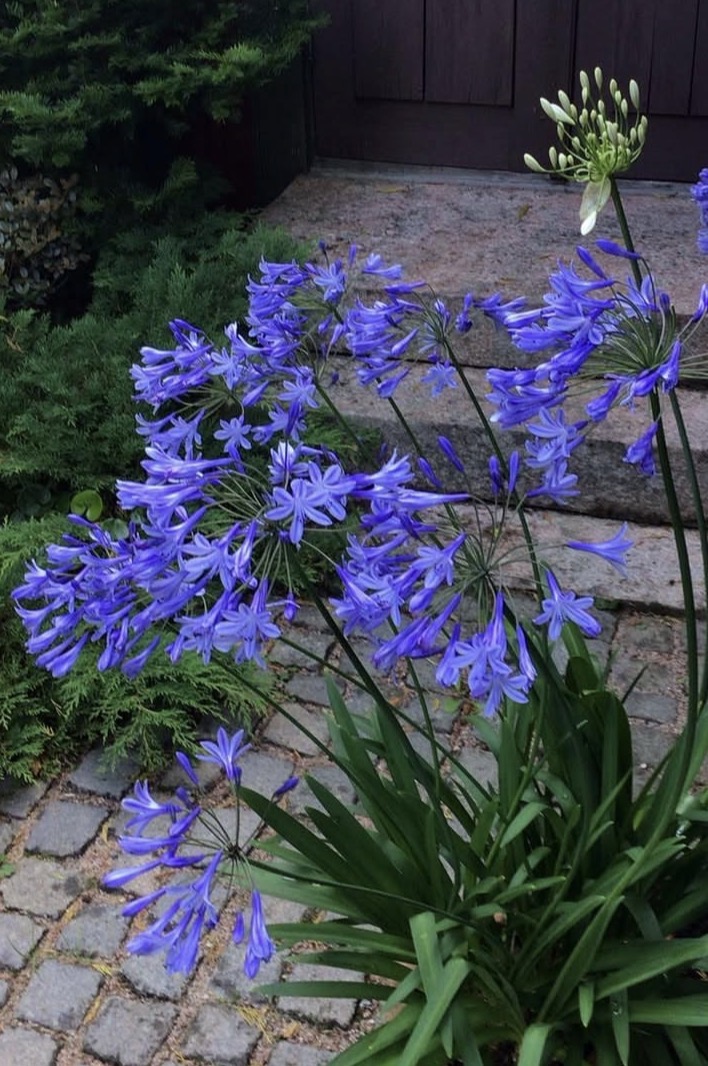
A compact African lily with beautiful sky-blue flower clusters, perfect for adding a touch of elegance to sunny borders and containers.
Rounded heads of soft sky-blue trumpet flowers sit proudly on sturdy stems above neat clumps of strap-like green foliage. Flowering through mid to late summer, the blooms create a bold yet graceful display and are highly attractive to bees and other pollinators. Its compact habit makes it ideal for smaller gardens or the front of sunny borders where the flowers can be fully appreciated.
Agapanthus ‘Peter Pan’ thrives in full sun and well-drained soil, and performs especially well in containers where its roots can be slightly restricted. It forms tidy clumps that return each year and gradually become more floriferous as they establish. Perfect for patios, gravel gardens and Mediterranean-style planting schemes.
Specifications
Plant type: Hardy perennial
Flower colour: Sky blue
Flowering period: July to September
Height: approx. 40–60 cm
Spread: approx. 40–50 cm
Position: Full sun
Soil: Fertile, well-drained soil
Hardiness: Hardy in most UK gardens with good drainage
Pollinator friendly: Yes, attracts bees
Note for Isle of Wight planting
Agapanthus are particularly well suited to the Isle of Wight’s mild coastal climate. Plant in a sunny, sheltered spot or container where the soil drains freely, and the plants will reward you with reliable summer flowers.
Ideal Companion Plants from The Green Standard Range
Verbena bonariensis, airy purple flower heads that rise above the agapanthus for a light, natural look
Nepeta ‘Six Hills Giant’, soft blue tones and relaxed growth that complement the structured flower heads
Erigeron ‘Lavender Lady’, clouds of small daisies that soften the planting around the base
Salvia ‘Nachtvlinder’, deep violet spikes that add height and dramatic colour contrast
🌟 The Green Standard Tip
Agapanthus often flower best when their roots are slightly restricted. Growing them in pots or fairly tight clumps can actually encourage more flowers.