
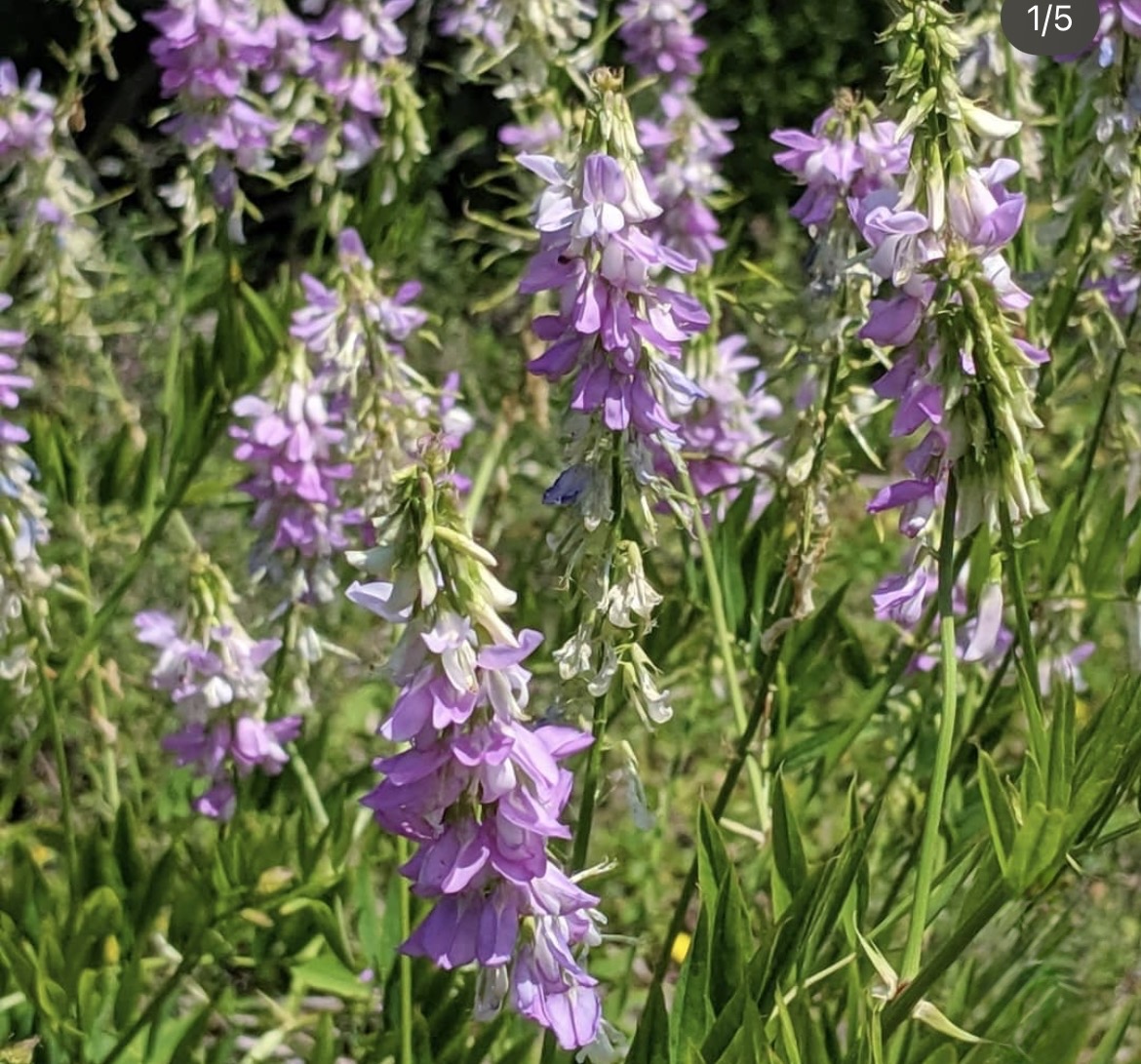
Galega officinalis
£7.50
Galega officinalis
A graceful, long-flowering perennial producing elegant spires of pea-like, soft lilac to pale blue flowers from early summer into autumn. Its delicate blooms rise above fresh green, divided foliage, creating a light, airy effect that attracts bees and butterflies in abundance.
Also known as Goat’s Rue, this hardy perennial thrives in full sun and moist but well-drained soils. It forms a leafy, upright clump and will happily naturalise in borders or meadow-style plantings, lending a soft cottage-garden charm with generous flowering for months on end.
Specifications:
• Height: 90–120cm
• Spread: 60–90cm
• Flowering: June to September
• Position: Full sun
• Soil: Moist but well-drained, light to medium soils
• Maintenance: Cut back after flowering to encourage fresh growth; divide clumps in spring or autumn if needed
🌿 Note for Isle of Wight planting:
Galega officinalis responds well to the island’s warm summers and free-draining soils, provided it does not dry out completely. Perfect for naturalistic plantings or sunny borders, where its long season of flower provides steady colour and nectar for pollinators.
🌿 Ideal Companion Plants from The Green Standard Range:
• • Echinacea purpurea – Bold flowers that give structure and extend colour into late summer
• • Salvia nemorosa ‘Caradonna’ – Upright violet spires that contrast beautifully with pale Galega blooms
• • Gaura lindheimeri ‘Whirling Butterflies’ – Airy, dancing flowers to enhance the lightness of Galega’s habit
• • Achillea millefolium – Flat-topped umbels in warm tones that balance the spires
• • Stipa tenuissima ‘Ponytails’ – Soft, feathery grasses to weave movement through the planting
• • Cephalaria gigantea – Towering yellow pincushions that add vertical drama and a natural meadow feel
• • Verbena bonariensis – Tall, see-through stems that extend height and pollinator appeal
🌟 The Green Standard Tip:
Cut back hard after the first main flush of flowers to encourage a fresh wave of growth and a lighter second flowering later in the season.