Veronica spicata ‘Red Fox’
£6.95
Veronica ‘Red Fox’
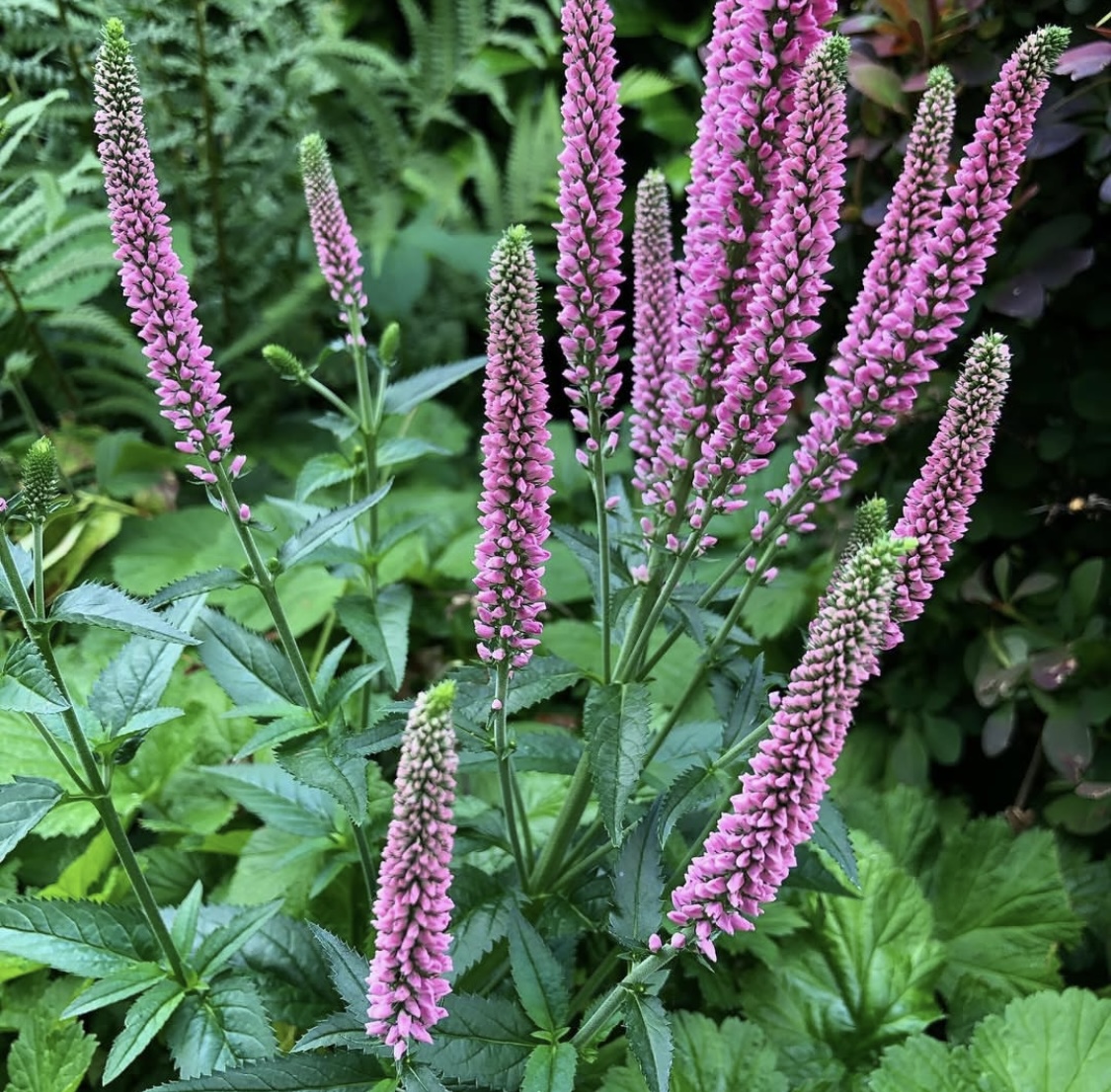
A compact, nectar-rich perennial with elegant rosy-red flower spikes that brighten borders through summer.
Slender spires of soft rosy-red flowers rise above tidy green foliage, creating a graceful vertical accent in sunny borders. The blooms open gradually from the base upwards, providing weeks of colour and a reliable source of nectar for bees and other pollinators. Its refined habit makes it especially useful for weaving colour through mixed perennial plantings.
Veronica ‘Red Fox’ thrives in full sun with well-drained soil and forms a neat clump that returns reliably each year. It is perfect for the front or middle of borders, gravel gardens, and wildlife-friendly plantings. Once established it is easy to care for, and deadheading can encourage a second flush of flowers later in the season.
Specifications
Plant type: Hardy perennial
Flower colour: Rosy red
Flowering period: June to August
Height: approx. 40–50 cm
Spread: approx. 30–40 cm
Position: Full sun
Soil: Well-drained soil, tolerates poorer soils once established
Hardiness: Fully hardy in the UK
Pollinator friendly: Yes, loved by bees
Note for Isle of Wight planting
Veronica performs beautifully in the Isle of Wight’s sunny, free-draining gardens and coastal conditions. It copes well with lighter soils and sea breezes, making it a reliable choice for long-lasting summer colour in island borders.
Ideal Companion Plants from The Green Standard Range
Nepeta ‘Blue Wonder’, soft blue flowers and aromatic foliage that contrast beautifully with the red spikes
Achillea ‘Lilac Beauty’, flat lilac flower heads that attract pollinators and echo the airy meadow style
Calamagrostis ‘Karl Foerster’, upright ornamental grass adding structure and movement behind the flowers
Erigeron ‘Lavender Lady’, clouds of daisy flowers that soften planting around the base
🌟 The Green Standard Tip
Cut the first flower spikes back once they fade. Veronica often rewards you with a second flush of flowers later in the summer, extending colour and nectar for pollinators.